Quick Summary
If you’re self-employed in 2026, the best health insurance plan is rarely the one with the lowest premium. It’s the one that balances total yearly cost, provider access, and financial risk protection.
Most self-employed individuals typically compare:
- ACA Marketplace plans
- Off-Marketplace individual plans
- A spouse’s employer plan
- COBRA (short-term)
- High-Deductible Health Plans (HDHP) paired with an HSA
The right choice depends on three factors:
- Expected medical usage
- Network and specialist access
- Risk tolerance for out-of-pocket costs
*This guide provides a structured framework to help you evaluate your options confidently.
*Educational information only. Plan rules and availability vary by state and insurer.
Why Health Insurance Is Different for the Self-Employed
Unlike traditional employees, self-employed individuals typically pay the full premium without employer contribution. That means plan design and total cost matter significantly more.
Key differences include:
- Full exposure to monthly premiums
- Greater sensitivity to deductibles and out-of-pocket maximums
- Income variability that may affect affordability planning
- Need for predictable cash-flow management
For freelancers, consultants, gig workers, and small business owners, insurance becomes a strategic budgeting decision — not just a compliance task.
Your Primary Coverage Paths in 2026
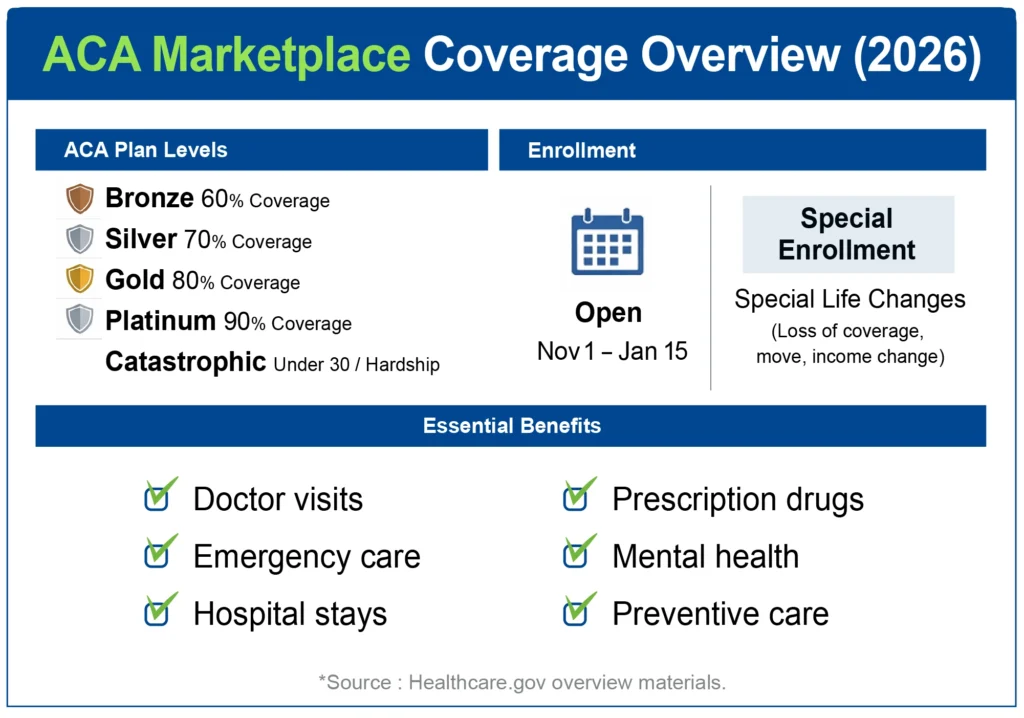
ACA Marketplace Plans
For many self-employed individuals, Marketplace plans serve as the default starting point.
Benefits include:
- Standardized plan categories
- Essential health benefit protections
- Structured comparison tools
- Clear enrollment windows
Considerations:
- Network limitations in some regions
- Referral requirements (often with HMO plans)
- Premium variation by location
Best suited for individuals who want structured plan comparisons and regulatory protections.
Off-Marketplace Individual Plans
Some insurers offer plans outside the Marketplace in select states.
Why consider them:
- Alternative network configurations
- Potentially different plan structures
However, these plans require careful review of benefits, networks, and exclusions.
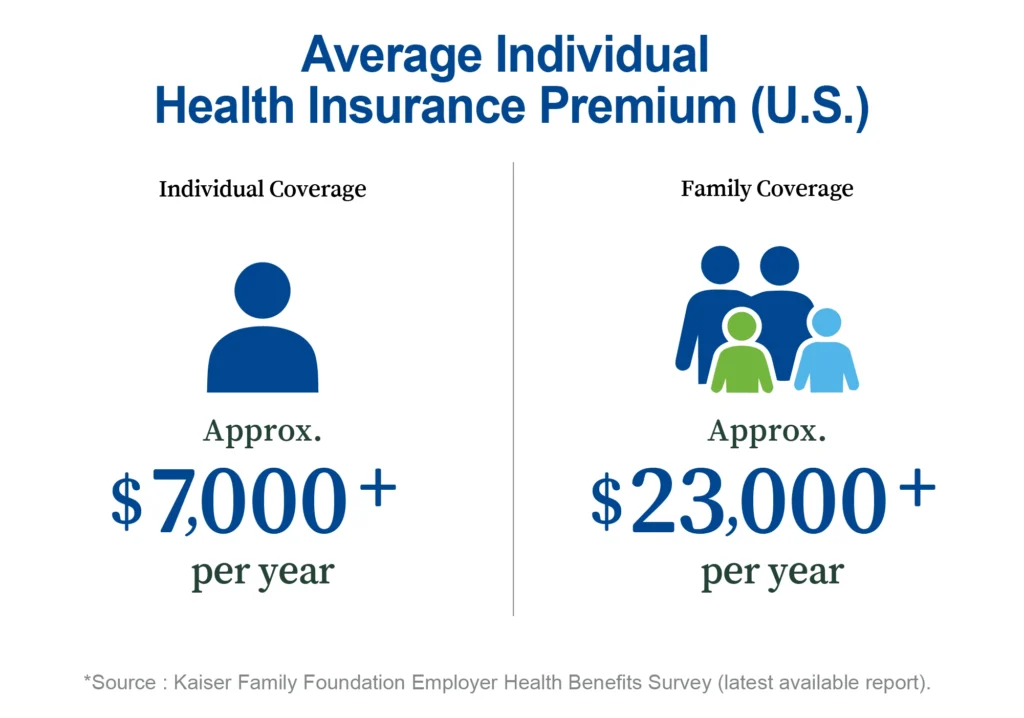
Spouse or Partner Employer Coverage
If accessible, joining a spouse’s employer plan can provide:
- Potential employer premium contribution
- Broad networks
- Simplified administration
This option may offer stability, but dependent premiums should be reviewed carefully.
COBRA (Short-Term Continuity)
COBRA may allow you to continue your prior employer coverage temporarily.
Advantages:
- Keeps current doctors and treatment plans
- No network disruption
Trade-off:
- Often higher premiums
Typically best as a transition solution rather than long-term strategy.
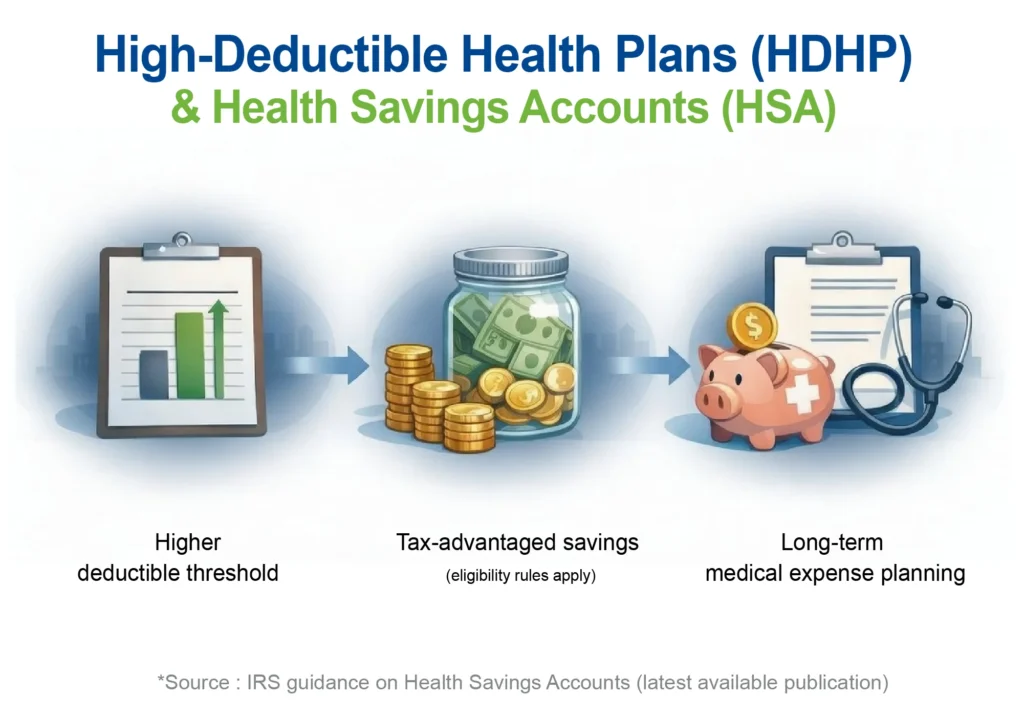
HDHP + HSA Strategy
High-Deductible Health Plans paired with a Health Savings Account can be suitable for:
- Low-to-moderate healthcare usage
- Individuals with strong emergency savings
- Long-term planning approach to healthcare expenses
The trade-off is higher upfront cost exposure before coverage intensifies.
Understanding Plan Types: HMO vs PPO vs EPO vs HDHP
| Plan Type | Avg Monthly Premium | Deductible | Out-of-Pocket Max | Best For |
|---|---|---|---|---|
| HMO | $420 | $3,000 | $8,500 | Moderate usage |
| PPO | $480 | $2,000 | $7,500 | Specialist flexibility |
| EPO | $410 | $3,500 | $8,200 | In-network flexibility |
| HDHP | $350 | $6,500 | $8,000 | Low usage + savings |
HMO Plans
- Lower premiums in many cases
- Primary care coordination required
- Referral system for specialists
Suitable for those comfortable staying within a managed network.
PPO Plans
- More provider flexibility
- Often higher premiums
- Some out-of-network coverage
Preferred by individuals who prioritize specialist access and flexibility.
EPO Plans
- In-network only
- No referral requirement in many cases
- Balanced cost structure
Useful for those who want flexibility without out-of-network use.
HDHP Plans
- Higher deductible threshold
- Often compatible with HSA
- Lower premium, higher early-year exposure
Best evaluated alongside savings capacity.
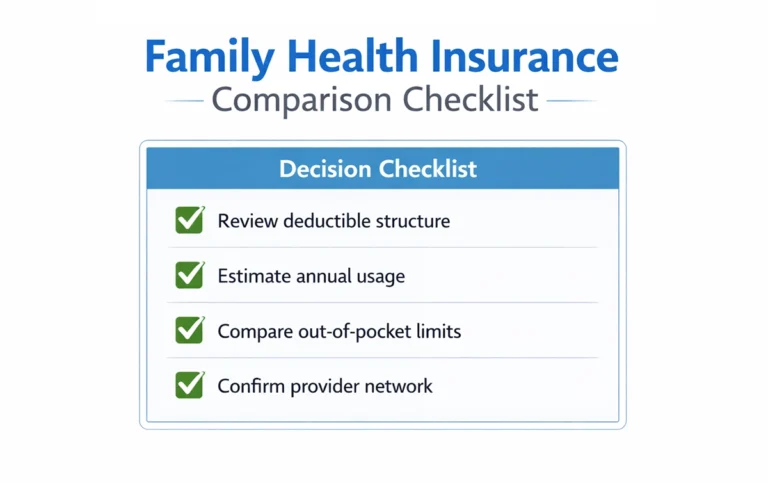
The 7 Metrics That Matter Most
When comparing plans, focus on:
- Monthly premium
- Individual deductible
- Family deductible (if applicable)
- Out-of-pocket maximum
- Specialist copays
- Coinsurance percentage
- Prescription drug tiers
Premium alone does not determine affordability. Total annual exposure matters more.
Cost Modeling: Low, Moderate, and High Usage Scenarios
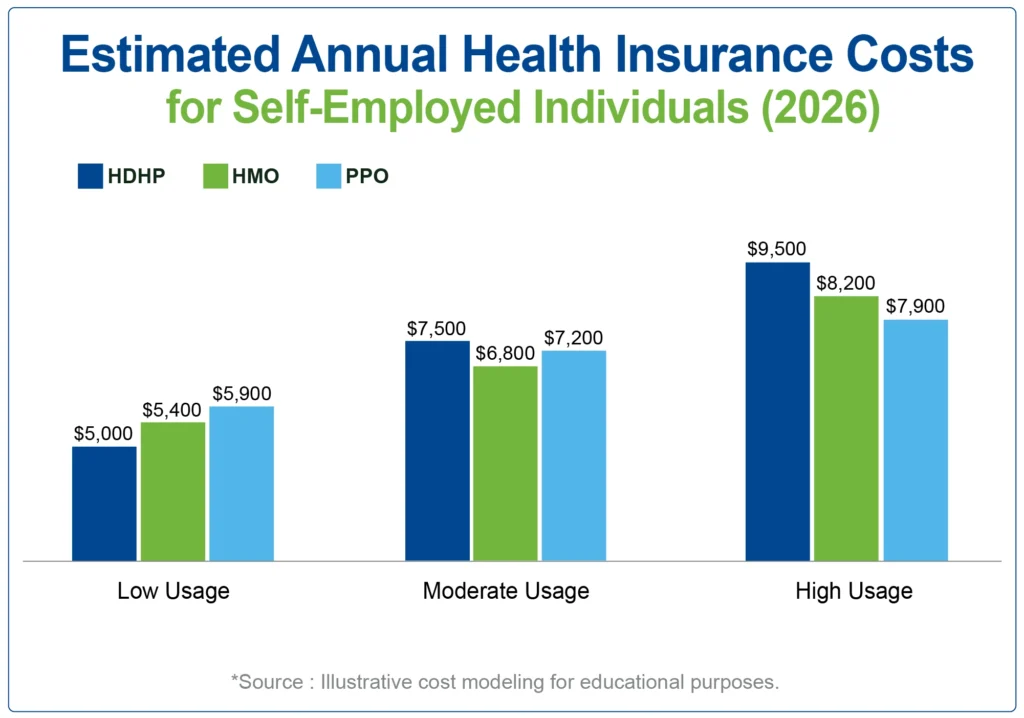
Low Usage Scenario
- Preventive visits only
- Few prescriptions
- Minimal specialist care
In this scenario, lower premiums and HSA-compatible plans may provide value.
Moderate Usage Scenario
- Regular doctor visits
- Prescriptions
- Occasional urgent care
Mid-tier plans with predictable copays may reduce budgeting stress.
High Usage Scenario
- Ongoing specialist care
- Planned procedures
- Higher prescription needs
Lower out-of-pocket maximums become critical.
Provider Networks: The Often Overlooked Factor
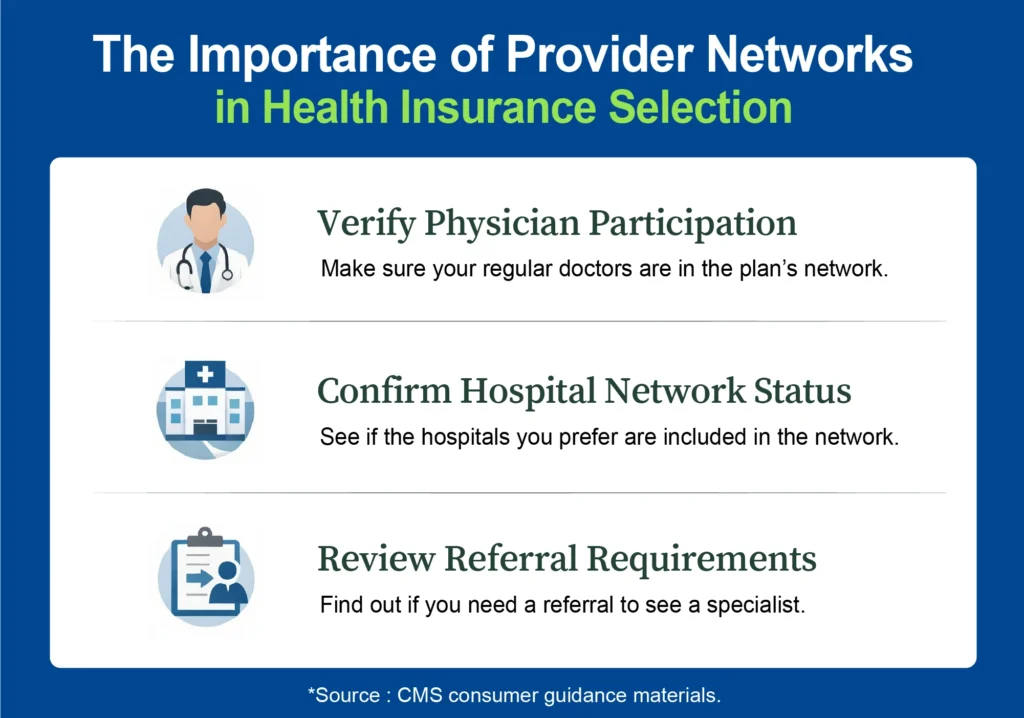
Before enrolling:
- Confirm your primary physician is in-network
- Verify specialist inclusion
- Check hospital participation
- Review telehealth availability
Network disruption can outweigh premium savings.
Always verify directly when possible.
Prescription Coverage and Formulary Review
Prescription tiers significantly affect total cost.
Consider:
- Generic vs brand pricing
- Specialty medication tiers
- Prior authorization requirements
A slightly higher premium plan may reduce prescription expense volatility.
Risk Tolerance and Financial Planning
Self-employed individuals should define:
- Maximum acceptable annual exposure
- Cash-flow stability
- Emergency reserve level
Plans with higher deductibles require stronger reserves.
Common Mistakes Self-Employed Individuals Make
- Selecting based on premium only
- Ignoring out-of-pocket maximum
- Assuming provider network without verification
- Overlooking prescription tier rules
- Failing to estimate annual exposure
Structured comparison reduces these risks.
A Step-by-Step Decision Framework
Step 1: Identify Non-Negotiables
List required doctors, hospitals, medications.
Step 2: Define Risk Ceiling
Determine your financial comfort zone for worst-case year.
Step 3: Compare Three Plans Side-by-Side
Use consistent metrics across options.
Step 4: Model Annual Costs
Estimate:
- Premium total
- Deductible usage
- Copays
- Prescription costs
Step 5: Validate Network and Enrollment Rules
Reconfirm network status before final enrollment.
When a Higher Premium May Be Smarter
Higher premiums sometimes reduce overall financial risk.
If you expect:
- Frequent care
- Ongoing specialist visits
- Family coverage
A lower deductible plan may reduce stress and unpredictability.
Special Considerations for Freelancers and Gig Workers
Irregular income increases importance of:
- Predictable copays
- Reasonable out-of-pocket maximum
- Stable network access
Budget stability often outweighs chasing the lowest premium.
Final Recommendation Framework
There is no universal “best” health insurance for the self-employed in 2026.
However, a practical rule of thumb:
- Low usage + savings buffer → consider HDHP
- Moderate usage → balanced mid-tier plan
- High usage or chronic conditions → prioritize lower out-of-pocket max
Always verify:
- Provider network
- Prescription formulary
- Annual exposure estimate
Insurance should protect your long-term financial stability — not introduce uncertainty.
Frequently Asked Questions
What is the best health insurance option for self-employed individuals in 2026?
The best option depends on usage patterns, provider needs, and financial risk tolerance rather than premium alone.
Is HDHP always cheaper?
Not necessarily. Lower premiums may be offset by higher out-of-pocket exposure.
Should freelancers prioritize PPO plans?
PPO plans provide flexibility but may carry higher premiums. Evaluate based on network needs and specialist access.
How can I compare plans effectively?
Use a consistent comparison model including premium, deductible, out-of-pocket maximum, copays, prescriptions, and network validation.
Conclusion: Choosing the Right Health Insurance as a Self-Employed Professional in 2026
Selecting health insurance as a self-employed individual in 2026 requires more than comparing premiums. The most effective approach is to evaluatetotal annual exposure, provider access, prescription coverage, and your personal risk tolerance.
For low healthcare usage, high-deductible plans paired with disciplined savings may offer flexibility. For moderate usage, balanced plans with predictable copays can reduce budgeting uncertainty. For higher medical needs, plans with lower out-of-pocket maximums and strong networks often provide greater financial protection.
No single plan is universally “best.” The right choice depends on your expected usage pattern, income stability, and access to preferred providers.
Before enrolling, confirm:
- Network participation for your doctors and hospitals
- Prescription coverage details
- Deductible and out-of-pocket limits
- Enrollment timing and plan rules
A structured comparison approach will typically produce better long-term outcomes than choosing based on premium alone.
*Educational information only. Coverage terms and eligibility vary by state and insurer.